Robotics
Robotics
Research to Production — Cobot Intelligence
Multi-task robots guided by the same intelligence layer as Factory Brain. Currently in research at Mila, moving to production pilots in 2026.
The same brain that reads your operation can guide robots through it.
Rise's robotics research is built on the same perception and intelligence layer as Factory Brain. The cameras that read your operation also guide your robots. One system, shared understanding.
Capabilities
Four parts of a robot that actually ships.
Scene Understanding
Robots perceive the factory environment through shared camera systems — mapping people, materials, and obstacles in real time.
Task Planning
An orchestration layer breaks complex jobs into skills and dispatches them to the right robot with the right affordances.
Modular Control
One specialized model per skill — robust, testable, replaceable. Not a monolithic black box.
Multi-Robot Coordination
When robots need to work together, the orchestration layer coordinates their tasks, timing, and shared workspace.
Built for real factories.
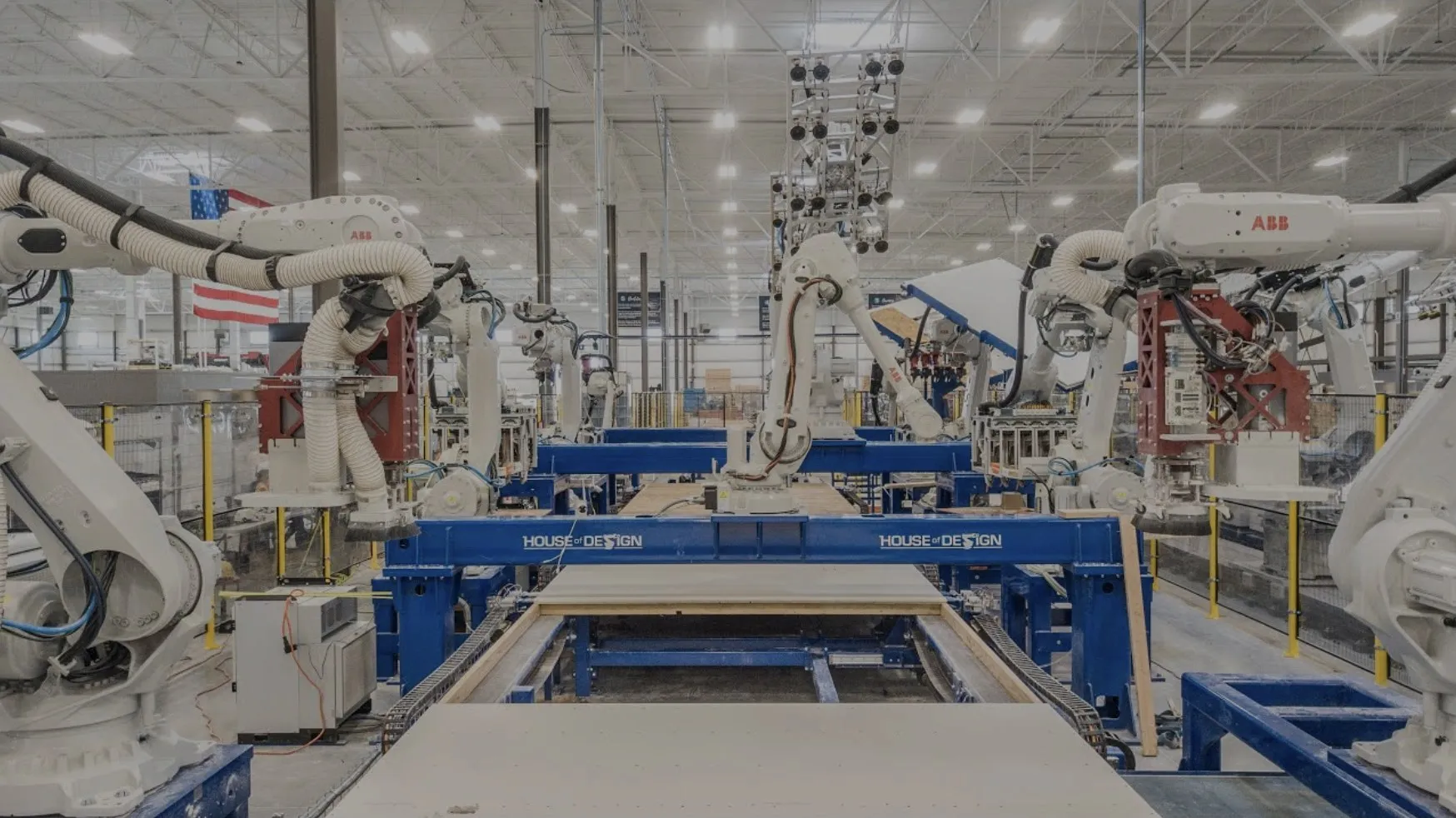
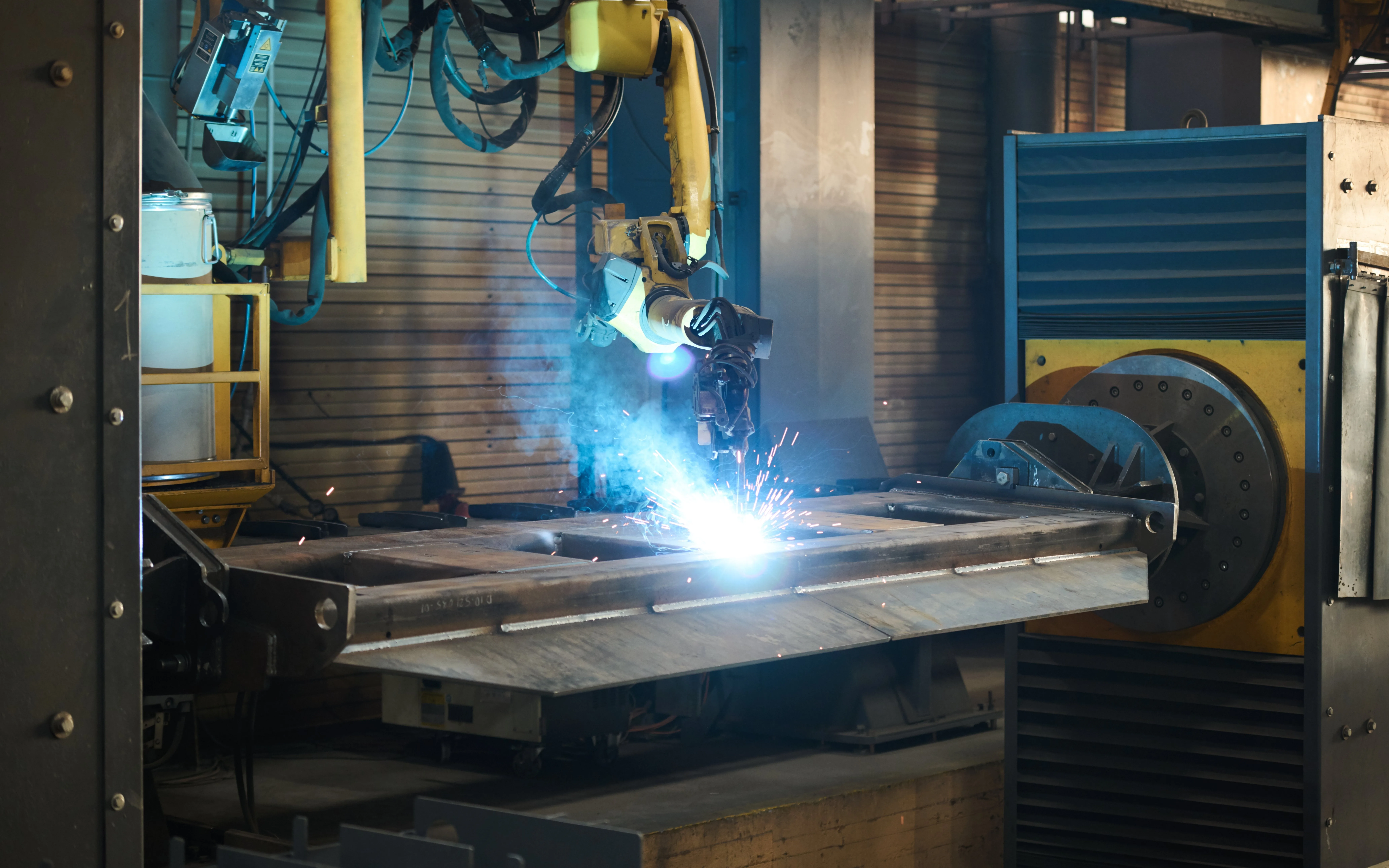
We don't start with a humanoid and work backwards. We start with your factory's actual bottleneck and work forwards. CNC loading, material transport, edge banding — we match the robot to the task, not the other way around.
Every robot we deploy connects to the same intelligence layer. The data from its work feeds back into Factory Brain, closing the loop between what your factory sees and what it does.
In the Field
Built on the same perception layer as Factory Brain.
The cameras that read your operation already understand the space. Rise robotics adds motion planning and closed-loop control on top — no separate vision system required.
How We Think About Robots
A robot brain has three parts: perception (understanding the world through sensors), planning (deciding what to do), and control (making it happen). Most approaches try to cram all three into a single massive model. We don’t — and the capabilities above are how that decision shows up in the product.
Research-Backed, Moving to Production
Rise is a spinout of Mila, Quebec’s AI Institute. Our robotics work builds on peer-reviewed research in scene understanding, diffusion policies for control, and LLM-based planning — published at top venues like ICRA 2026. The science is cutting-edge. The deployment is practical.
How It Works
Robotics — perception that ships, not pilots
Cells that run a real shift. Hardware-agnostic. Designed to be paid for in product.
Step 1
Perception
Multi-camera 3D understanding of the cell — parts, fixtures, operators. Built to handle clutter, lighting, and the messy real world.
3D Vision • Segmentation • Tracking
Step 2
Planning
Task and motion plans grounded in the live scene. Re-plans on the fly when reality differs from the plan — which it always does.
Task Planning • Motion • Collision
Step 3
Control
Closed-loop execution on the arm and tool. Stops when uncertain, escalates when stuck, learns from every cycle.
Control • Safety • Learning
See Robotics in action.
Book a demo and we'll show you what your factory is missing.